


%20(3).png)
What happens when four San Mateo County Chamber CEOs, each focused on serving their own city, step back from day-to-day operations and invest in their leadership?
They now operate differently, with access, speed, and insight that produce better results, including stronger partnerships and faster progress on their initiatives.
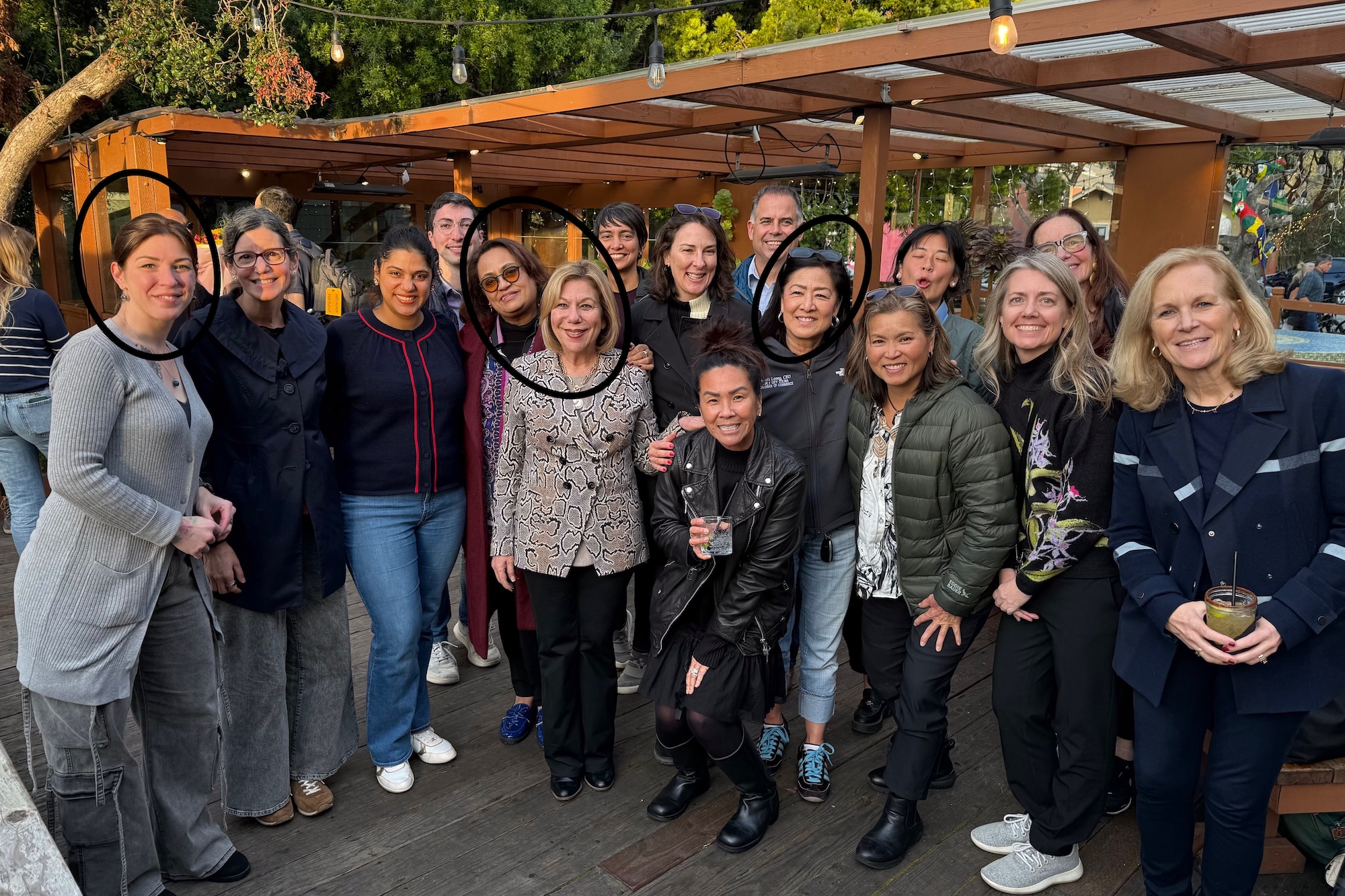
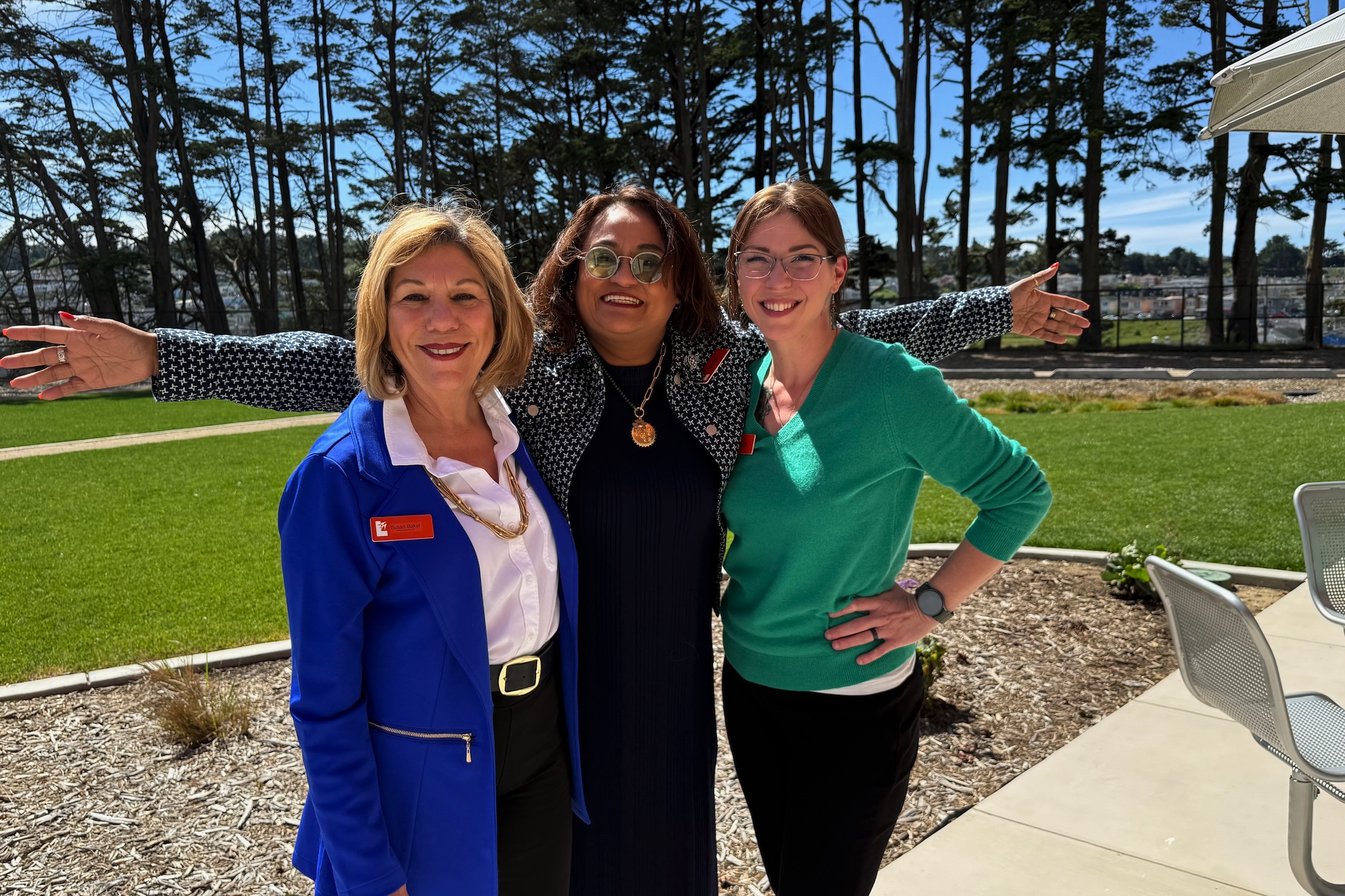
Susan Baker (Burlingame), Felicia Leong (Daly City/Colma), Mary Prem (South San Francisco), and Crystal Tilton (Foster City) are part of Leadership Council SMC’s Leadership CORPS Class of 2026.
For many business leaders, the question is simpler: Is a 10-month leadership development program worth the time?
From Busy to Intentional Leadership
Running a Chamber means constant motion. Supporting businesses, solving problems, and responding to immediate needs leaves little time to step back.
Committing to a 10-month program requires intention, and for these leaders, the reason was clear: growth is part of the job.
Mary Prem:
“It’s easy to get stuck in operations. If I’m going to ask businesses to grow, I need to keep growing too.”
Crystal Tilton:
“If you don’t continue to grow and learn, you become stagnant. We work so deeply in our communities. We can’t serve them well without growing ourselves.”
Susan Baker:
“This opportunity to personally grow and better understand how our County operates brings credibility to our work in the community.
Through CORPS, these leaders are becoming more intentional in how they lead. They are strengthening decision-making, taking time to reflect, and focusing on long-term impact.
Relationships That Create Access
Leadership CORPS brings together senior leaders from business, government, and nonprofit organizations across San Mateo County. That mix is intentional. It creates direct access to people and perspectives most leaders do not have in their day-to-day work, and it significantly speeds relationship-building and coordination.
Felicia Leong:
“If we didn’t go to Leadership CORPS and spend this time together, it would have taken longer to create what we’ve created.”
Mary Prem:
“This is not traditional networking. These are working relationships that make collaboration faster and more effective.”
Breaking Down Silos and Getting Results
The value of those relationships shows up quickly. Leaders are no longer navigating County and community systems from the outside. They know whom to call, how things work, and how to move ideas forward. In addition, having four Chamber CEO included in this year’s CORPS program created a unique opportunity. While each serves a different community, their perspectives, strengths, and challenges vary, making their collaboration especially valuable to their members and the County.
Susan Baker:
“Now that I’ve been in class with our local nonprofit and government leaders, it’s easier for me to reach out. That, for me, is invaluable.”
That shift is already producing results. The Chambers are partnering more closely and reaching out to other community organizations. Initiatives are expanding across the region. Ideas are moving faster because the person-to-person connections are stronger than ever.
For example, after reconnecting at Leadership CORPS, these CEOs convened a series of meetings of their Chambers, SAMCEDA, and the San Francisco Peninsula, accelerating regional collaboration. The time these CEOs spent together in the CORPS program deepened their relationships and trust, allowing them to move from conversation to action much more quickly.
Susan Baker:
“After our meetings, Flavors of the Peninsula, a 10-day celebration of the region’s diverse food, became more of a County-wide initiative that we all supported. If we want our Chamber members to work collaboratively, we need to model that ourselves. We are the example.”
Another event, the City of South San Francisco Chamber’s 2026 Sunset Soirée in February, had a record turnout due to the partnership between these CEOs.
This event was originally envisioned by Mary through her involvement with the Skyline College President’s Council as a way to give the college greater exposure and bring Chamber members and local residents together. Early collaboration included South San Francisco and Daly City/Colma, with Burlingame and Foster City joining this year as the partnership expanded.
Mary Prem:
“This year’s Sunset Soirée was a great example of what collaboration can do. The beautiful Farallon Room was buzzing with conversation, new connections, and plenty of great food and wine, with each Chamber team showcasing their city’s member restaurants, giving guests a true taste of North County all in one place. When Chambers work together, the entire region benefits.”
Felicia Leong:
“Community engagement is the foundation of local business growth. By showing up to meetings and events, we secure our place as vital stakeholders in the County’s future.”

.jpeg)
.jpeg)


